A dental implant is often the treatment patients want most and worry about most. The question, are dental implants painful abroad, is rarely only about the procedure itself. It is also about being far from home, trusting a new clinical team, managing travel, and knowing who will be there if you need reassurance.
For most patients, implant placement is far more manageable than expected. Modern local anesthesia, precise digital planning, and experienced implant specialists are designed to keep you comfortable during treatment. The more meaningful consideration is choosing a clinic with clear standards, a personalized treatment plan, and dependable coordination before and after your visit.
Are Dental Implants Painful Abroad During the Procedure?
Dental implant surgery should not be painful while it is being performed. Your dentist numbs the treatment area with local anesthesia before beginning. You may feel pressure, vibration, or movement, but you should not feel sharp pain. If you do, you should tell the clinical team immediately so they can adjust your anesthesia.
For patients who feel anxious about dental treatment, many premium clinics can discuss additional comfort options during the consultation process. Whether these are appropriate depends on your health history, the complexity of your procedure, and the clinic’s protocols. A trustworthy provider will never treat comfort as an afterthought. They will explain what is available and what you can realistically expect.
The idea that treatment abroad is inherently more painful is a misconception. Pain levels are influenced by the surgical approach, the condition of your gums and jawbone, the number of implants being placed, and your own healing response – not the country where the care takes place. Istanbul’s leading dental clinics use state of the art imaging, sterile surgical environments, and internationally recognized implant systems to plan treatment with precision.
What Implant Recovery Usually Feels Like
Once the anesthesia fades, it is normal to experience tenderness around the implant site. Most patients describe the first few days as soreness or swelling rather than severe pain. If you have had an extraction, bone graft, multiple implants, or a full-arch restoration, recovery can be more involved than it would be for a single implant.
Your dentist will provide a tailored post-treatment plan, which may include prescribed medication or over-the-counter pain relief, depending on your clinical needs. Cold compresses, rest, soft foods, good hydration, and careful oral hygiene can make a noticeable difference during the first 48 to 72 hours.
Swelling often reaches its peak around day two or three, then begins to settle. Bruising can occur, especially after more extensive work, but it is not universal. Most patients are comfortable enough to enjoy light activities shortly after treatment, although this is not the time to schedule a packed sightseeing itinerary or a demanding return flight without clinical approval.
A premium treatment experience should leave room for recovery. Planning a little breathing space around your procedure is part of traveling well, not an inconvenience.
The Number of Implants Changes the Experience
One implant replacing a single missing tooth is typically a straightforward procedure with a relatively short recovery period. Placing several implants, rebuilding a full arch, or combining surgery with bone grafting requires more healing time and may produce more swelling.
Some patients travel for immediate-load solutions, where a temporary restoration is attached soon after implant placement. Others need a staged approach, allowing the implant to integrate with the jawbone before the final crown or bridge is fitted. Neither route is automatically better. The right path depends on bone volume, bite forces, gum health, medical history, and aesthetic goals.
Be cautious of anyone who promises the same treatment timeline for every patient. Elite specialists build recommendations around your scans and clinical condition, not a one-size-fits-all package.
Why Planning Matters More Than Location
The best way to reduce anxiety about implants abroad is to know exactly what will happen before you travel. A quality consultation should clarify whether you are a candidate for implants, how many visits may be needed, whether extractions or grafting are likely, what type of restoration is planned, and how long you should remain in the destination.
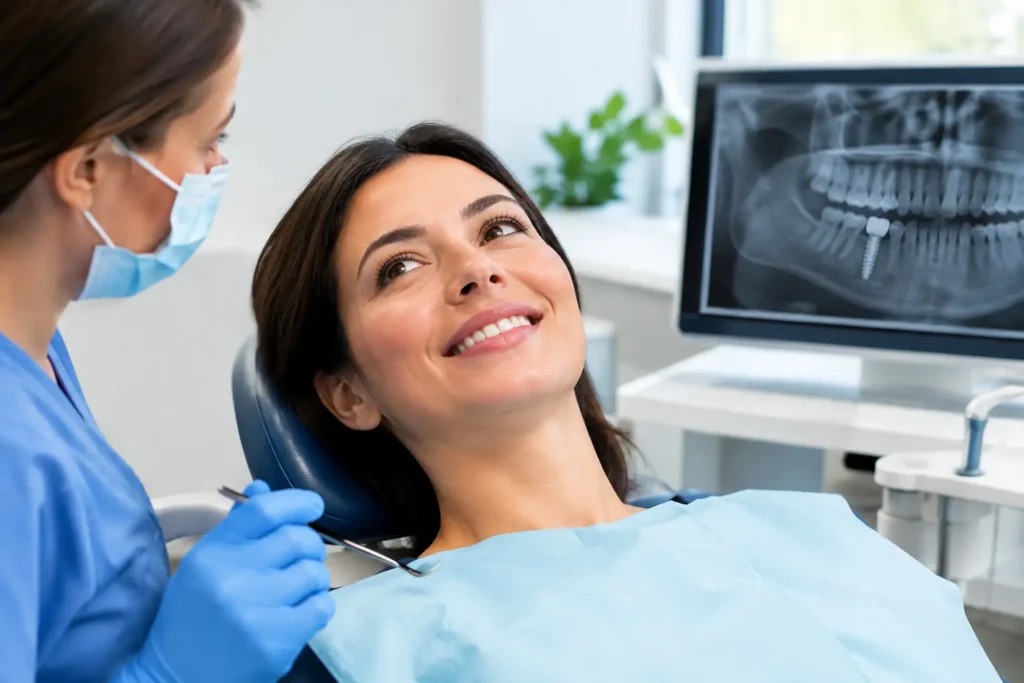
Digital X-rays or CBCT imaging are central to safe implant planning. They allow the dentist to assess bone density, avoid vital structures, and determine the ideal implant position. A clinic should be transparent if more imaging is needed after you arrive. Remote photos and existing records are helpful for initial planning, but they do not replace a full in-person examination.
Communication is equally important. You should understand the proposed treatment in plain English, including the estimated timeline, materials, aftercare instructions, and what could change once your dentist completes the examination. The goal is not to eliminate every variable – dentistry is personal, and clinical findings can sometimes alter a plan. The goal is to avoid surprises.
Choosing a Comfortable Implant Experience in Turkey
Turkey has become a sought-after destination for restorative and cosmetic dentistry because patients can access advanced care, accomplished clinicians, and high-quality materials at a more accessible price point. Still, not every clinic delivers the same level of clinical detail or patient support.
Look beyond before-and-after photos. Ask how the clinic plans implants, which imaging technology it uses, who performs the surgery, what implant brands are offered, and how it manages post-operative care. You should also ask about sterilization procedures, written treatment documentation, and the plan for any follow-up required after you return to the United States.
For many Americans, the concern is not simply the dental chair. It is navigating an unfamiliar city after surgery, communicating medication instructions, getting to appointments on time, and having a clear point of contact. This is where a concierge approach adds real value. Fix Dental Consultation helps coordinate the experience around your clinical appointments, including communication assistance, transportation, accommodation support, and travel-related guidance, so patients can focus on treatment and recovery.
Questions Worth Asking Before You Book
A polished clinic experience should withstand direct questions. Before confirming your trip, ask whether your proposed quote includes consultations, imaging, temporary teeth if needed, anesthesia, medication, and follow-up visits during your stay. Confirm the anticipated number of days in Istanbul and whether the treatment plan requires a second visit months later.
It is also wise to disclose all relevant medical information. Diabetes, smoking, gum disease, certain medications, autoimmune conditions, and previous radiation therapy can affect healing and implant suitability. A responsible dental team will assess these factors carefully rather than promising an implant solution before reviewing your history.
Aftercare When You Return Home
Implant treatment does not end when you board the plane. Your overseas clinic should send you home with clear written aftercare guidance and details of the implant system used. Keep copies of your imaging, treatment notes, and implant information. These records are useful for your local dentist and for your own peace of mind.
Avoid smoking during healing, follow dietary guidance, and attend any recommended checkups. Contact the treating clinic promptly if you develop worsening pain after it had improved, persistent bleeding, fever, pus, significant swelling, or a loose temporary restoration. These are not symptoms to ignore simply because your procedure was completed abroad.
For routine healing questions, a responsive support team can make a long-distance treatment journey feel much closer to home. But urgent symptoms should always be assessed by a qualified dental professional without delay.
Dental implants abroad do not need to be a leap of faith. With thoughtful clinical screening, sophisticated planning, and a recovery-focused itinerary, the experience can feel less like navigating medical travel alone and more like receiving carefully coordinated care for the smile you have been waiting to restore.