A failing dentition can change far more than a smile. It can make restaurant meals stressful, affect speech, and leave people hiding from photos or important conversations. This all on four guide explains how full-arch implant treatment can replace an entire row of teeth with a fixed restoration, what the process involves, and how to approach care abroad with the level of planning such an important decision deserves.
What Is All-on-Four Treatment?
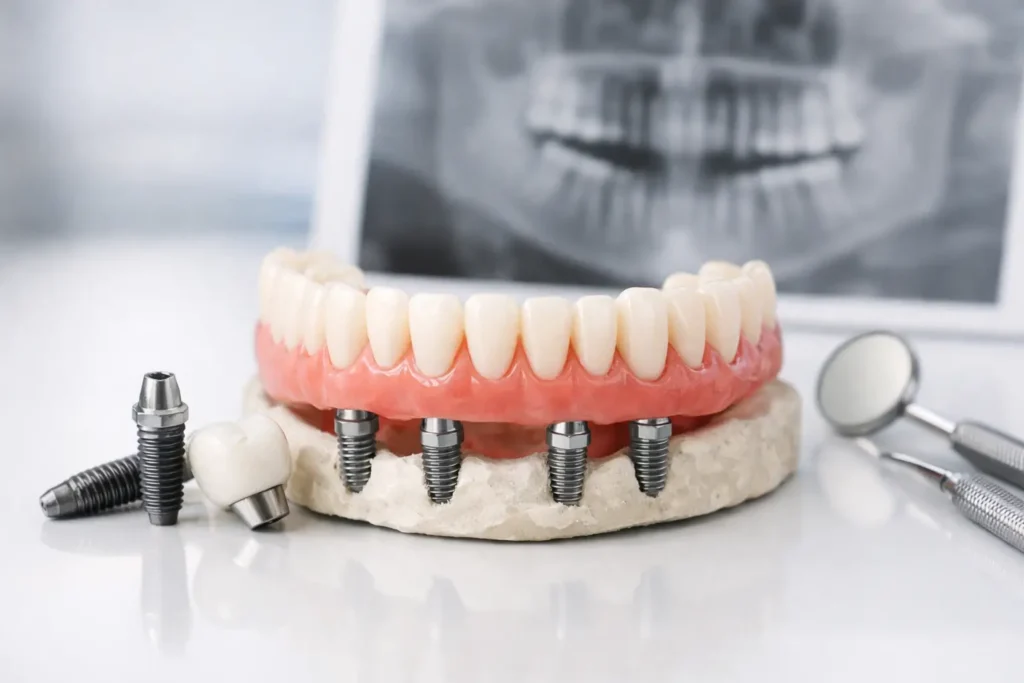
All-on-Four is a full-arch dental implant approach designed for patients who need to replace most or all teeth in the upper jaw, lower jaw, or both. Rather than placing a separate implant for every missing tooth, an experienced implant dentist strategically places four implants to support a full bridge of teeth.
The rear implants are often placed at an angle, allowing the dentist to make use of available bone in areas where bone volume may be limited. For the right candidate, this can reduce the need for certain bone-grafting procedures and provide a stable foundation for a full-arch prosthesis.
The goal is not simply to fill visible gaps. A carefully designed full-arch restoration is intended to restore bite function, facial support, comfort, and the confidence of a complete smile. The final result should be tailored to your facial proportions, gumline, speech, bite, and aesthetic preferences rather than selected as a one-size-fits-all set of teeth.
Who May Be a Candidate for All-on-Four Implants?
All-on-Four treatment is often considered by adults with advanced gum disease, widespread decay, failing crowns and bridges, loose dentures, or significant tooth loss. It may also appeal to patients who are tired of removing dentures each night and want the stability of a fixed solution.
Candidacy depends on more than the number of teeth you are missing. Your dental team must evaluate your oral health, bone quality, gum condition, bite, medical history, medications, smoking status, and healing capacity. A 3D CBCT scan is particularly valuable because it allows the implant specialist to assess the jawbone and plan implant positions with greater precision.
Some patients can receive implants without extensive grafting, while others may need additional treatment before a fixed restoration is advisable. Uncontrolled diabetes, active periodontal infection, severe clenching, and certain medical conditions can affect timing or suitability. A reputable clinic will be candid about these factors instead of promising that every patient can complete the same treatment plan.
All-on-Four vs. Traditional Dentures
Traditional dentures rest on the gums and may shift during eating or speaking. They can be an appropriate, lower-cost choice for some patients, but they do not prevent the ongoing bone loss that can occur after teeth are lost.
An implant-supported full arch is anchored to implants placed in the jaw. This typically provides stronger retention and a more natural feeling when chewing. It also requires surgery, a healing period, disciplined oral hygiene, and a larger financial commitment. The right choice comes down to your health, goals, anatomy, timeline, and budget.
The All-on-Four Process, Step by Step
A refined implant experience begins well before the surgery date. For patients traveling internationally, detailed preparation is especially important because the treatment schedule must account for clinical needs as well as travel logistics.
1. Consultation and Treatment Planning
Your journey generally begins with a review of dental records, medical information, photographs, and X-rays when available. Once you arrive at the clinic, the in-person examination and 3D imaging confirm whether the proposed treatment plan remains appropriate.
At this stage, ask clear questions about the number and brand of implants, the materials planned for the temporary and final bridge, whether extractions are included, and what happens if your clinical findings require a different approach. Quality care is transparent care. You should understand the plan before consenting to treatment.
2. Extractions and Implant Placement
If damaged teeth remain, they may be removed during the surgical appointment. The dentist then prepares the implant sites and places four implants in the jaw according to the digital plan. In some cases, more than four implants may be recommended, particularly when anatomy, bite forces, or the desired restoration design call for additional support.
The procedure is commonly completed with local anesthesia, with sedation options depending on the clinic and your health profile. Mild swelling, tenderness, and temporary bruising are normal possibilities after surgery. Your provider should give you specific medication instructions, dietary guidance, and a direct point of contact for post-treatment questions.
3. A Temporary Fixed Bridge
Many suitable patients receive a provisional fixed bridge soon after implant surgery. This temporary restoration allows you to leave with teeth in place while the implants integrate with the bone. It is designed for appearance and function during healing, but it is not an invitation to immediately return to hard foods.
The early months require a softer diet and careful attention to chewing forces. Implant integration is biological, not cosmetic. Giving the implants time to heal is one of the most meaningful ways to protect the long-term investment in your smile.
4. Final Full-Arch Restoration
After healing, which often takes several months, the clinical team takes new records to create the final bridge. Depending on the plan, final restorations may use zirconia, ceramic, or other high-quality materials selected for strength, appearance, and the patient’s bite.
This stage matters deeply. The final bridge must be designed for proper speech, lip support, hygiene access, bite balance, and facial aesthetics. A beautiful result should not look artificial or compromise comfort. The best outcome is one that feels personal, functional, and naturally proportioned.
Planning All-on-Four Treatment in Istanbul
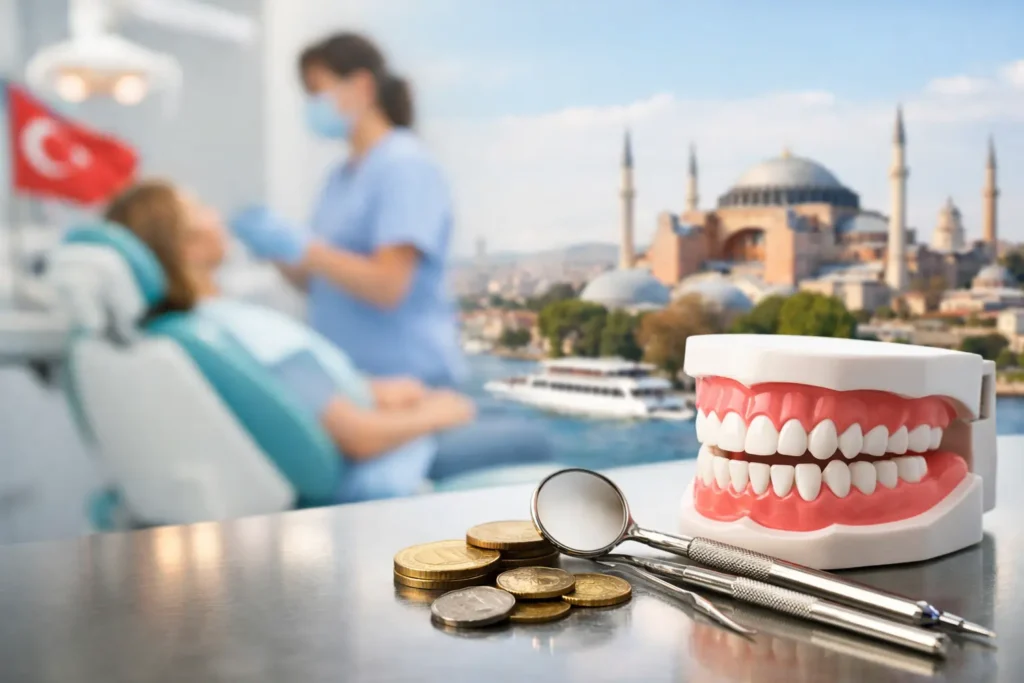
Istanbul has become a sought-after destination for patients seeking advanced cosmetic and restorative dentistry with more accessible pricing than many U.S. treatment settings. However, selecting treatment abroad should never be based on price alone. The quality of diagnostics, clinician experience, laboratory standards, materials, infection-control protocols, communication, and aftercare planning all deserve close attention.
A coordinated dental travel experience can remove much of the uncertainty. Fix Dental Consultation helps American patients navigate the practical details surrounding treatment through consultation support, affiliated clinic coordination, appointment scheduling, transportation, accommodation assistance, and certified translation services. That structure can be especially reassuring when treatment involves surgery, multiple appointments, and a carefully timed return home.
Travel timing is not identical for every patient. Some individuals can complete the surgical phase and receive a temporary bridge during one visit, then return for their final restoration after the healing period. Others may require extra time in Istanbul due to extractions, infection management, bite adjustments, or more complex surgical needs. Avoid booking nonrefundable travel plans until the treating team has reviewed your case and confirmed the expected schedule.
Questions Worth Asking Before You Commit
Before choosing any implant provider, ask who will perform the surgery, who will design the prosthesis, and whether those professionals work together on full-arch cases regularly. Confirm what is included in the quoted fee, including imaging, extractions, temporary teeth, final teeth, medications, sedation, adjustments, and follow-up visits.
You should also ask about the restoration material and how the clinic handles a complication after you return to the United States. No medical procedure can be guaranteed, and a premium experience should include honest discussion of risks such as implant failure, infection, gum inflammation, bite complications, or the need for repairs over time.
Finally, ask how you will maintain the restoration. Fixed bridges still require daily cleaning beneath the prosthesis, professional hygiene appointments, and periodic examinations. A full-arch implant bridge is highly durable, but it is not maintenance-free.
A New Smile Begins With an Informed Plan
All-on-Four can be a life-changing option for the right patient, especially when failing teeth or unstable dentures have limited daily comfort and confidence. The most rewarding treatment journeys are built on careful diagnostics, realistic expectations, elite clinical standards, and attentive coordination from the first consultation through long-term care.
Your smile deserves more than a quick decision. It deserves a plan that feels clinically sound, personally tailored, and fully supported at every stage.