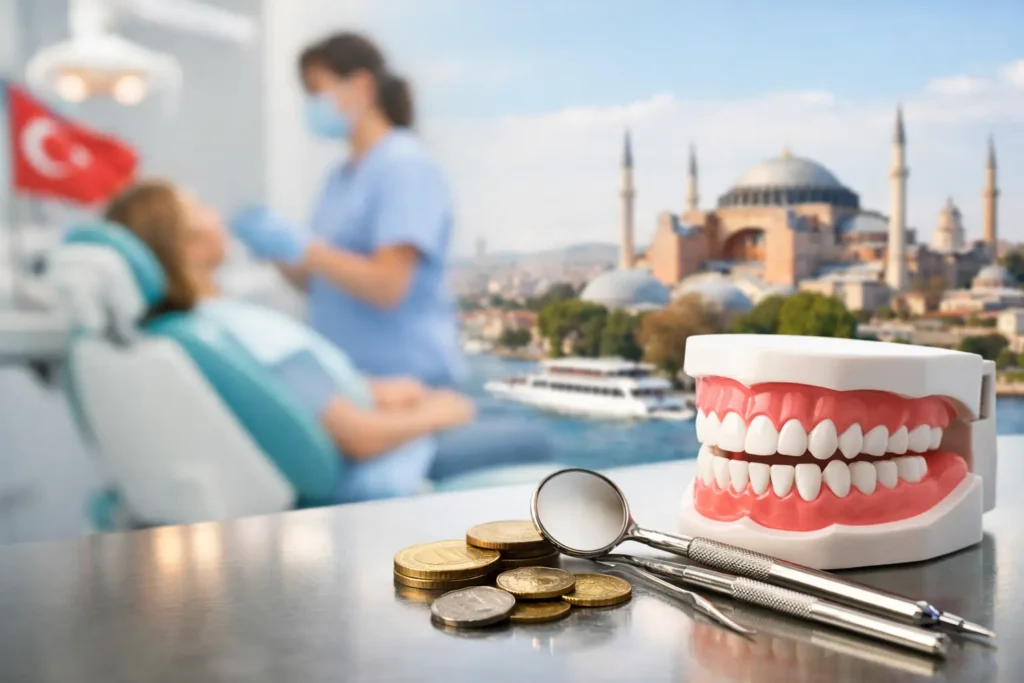

A dental implant procedure may take only a few hours, but the transformation that follows happens in carefully planned stages. If you are asking what happens after dental implants, the short answer is healing, integration, and a series of important follow-up decisions that lead to your final new smile. Knowing what to expect helps you travel with confidence, protect your investment, and give your implant the best possible foundation.
For patients traveling to Istanbul for premium restorative dentistry, recovery is not an afterthought. It is part of the treatment plan. Your clinical team should explain when you can fly, what you can eat, how your temporary restoration will function, and when you will return for the final crown or full-arch bridge.
What Happens After Dental Implants Are Placed?
Immediately after implant placement, the dentist will confirm that the treatment area is stable and provide personalized aftercare instructions. Depending on your treatment, you may leave with a healing cap, a temporary tooth, or a temporary bridge. In some cases, particularly when bone quality is excellent and the implant has achieved strong initial stability, a temporary restoration can be placed on the same day. In other cases, the implant needs time beneath the gumline before any tooth is attached.
The first 24 to 72 hours are usually the most noticeable part of recovery. Mild swelling, tenderness, bruising, and minor bleeding are common. These symptoms should gradually improve, not intensify. Your dentist may prescribe medication or recommend over-the-counter pain relief based on your health history and procedure.
Rest is valuable during this early stage. Keep your head elevated when possible, avoid strenuous exercise, and use a cold compress externally in short intervals during the first day. Do not disturb the surgical site with your tongue or fingers. If sutures were used, your team will tell you whether they dissolve on their own or need to be removed.
Eating and drinking after surgery
Soft, nourishing foods make recovery easier. Think yogurt, eggs, blended soups that are not hot, mashed vegetables, oatmeal, smoothies eaten with a spoon, and soft fish. Avoid chewing directly on the implant area until your dentist says it is safe.
For the first few days, avoid hard foods, seeds, crusty bread, very hot beverages, and alcohol. Smoking and vaping are particularly significant concerns because they can restrict blood flow and raise the risk of implant complications. A beautiful result depends on more than the procedure itself. The habits that follow matter.
The Healing Phase: Osseointegration
The central event after dental implant surgery is osseointegration. This is the process in which your jawbone gradually grows around the titanium implant, creating the secure bond that allows it to support a crown, bridge, or full-mouth restoration.
This process is invisible, which can make it tempting to assume everything is finished once discomfort fades. In reality, healing often takes several months. A common range is three to six months, although timelines vary based on implant location, bone density, whether an extraction or bone graft was needed, your general health, and the complexity of your restoration.
An implant in the lower jaw may integrate differently from one in the upper jaw, where bone can be softer. Patients receiving a bone graft or sinus lift may also need a longer healing period before the final restoration is completed. Your dentist should set expectations based on your scans and clinical findings rather than promise a one-size-fits-all schedule.
During this period, a temporary tooth can preserve your appearance and help you speak comfortably. It is not always designed for heavy biting. Treat it as a polished placeholder while your foundation strengthens.
Your Follow-Up Appointments Matter
Follow-up visits allow the dental team to monitor healing, check the gum tissue, assess your bite, and confirm that the implant is integrating as intended. If your treatment is completed abroad, planning these appointments is especially important before you book your return flight.
Many dental tourism treatment plans are organized in phases. Your first visit may include consultation, imaging, implant placement, and temporary restorations. A later visit may be scheduled for the final crown, veneer-adjacent cosmetic work, or full-arch bridge once healing is complete. The right plan balances clinical safety with practical travel needs.
A coordinated experience can make this process feel far more manageable. Fix Dental Consultation helps American patients organize communication, appointment schedules, transportation, accommodations, and treatment coordination with affiliated Istanbul clinics. The goal is to give patients a clear itinerary and a comfortable point of contact before, during, and after treatment.
When do you receive the final crown?
The final crown is placed only after your dentist is satisfied that the implant is stable and the surrounding gum tissue has healed well. For a single implant, the dentist may take digital impressions or scans, then custom-design a crown that matches the shape, shade, and proportions of your natural teeth.
For multiple implants or a full-arch restoration, the process may include several try-ins to refine speech, bite, facial support, and smile design. This is where technical expertise and aesthetic judgment meet. A final restoration should not only look exceptional in photographs. It should feel balanced when you eat, speak, and smile every day.
Caring for Dental Implants Long Term
Dental implants do not decay like natural teeth, but they are not maintenance-free. The gum tissue and bone around them still need consistent care. Plaque buildup around an implant can lead to inflammation, known as peri-implant mucositis, and untreated inflammation can progress to bone loss around the implant.
Brush twice a day with a soft-bristled toothbrush and use the cleaning tools recommended for your restoration. Depending on the design, this may include floss, interdental brushes, a water flosser, or specialized threaders for bridges. Regular professional cleanings remain essential, even if your implant feels perfect.
If you grind or clench your teeth, a night guard may be recommended. Excessive force can damage a crown, loosen a restoration screw, or place unnecessary pressure on the implant system. A protective guard is a small step that can preserve a major investment.
Warning Signs You Should Not Ignore
Most patients recover smoothly, but prompt communication is vital if something feels wrong. Contact your treating dentist or a local dental professional if you experience any of the following:
- Pain, swelling, or bleeding that worsens after the first few days rather than improving
- Persistent fever, a foul taste, pus, or discharge near the surgical area
- An implant, temporary tooth, or restoration that feels loose or shifts when you bite
- Numbness that persists or changes unexpectedly after the anesthesia should have worn off
- Difficulty swallowing, breathing, or severe facial swelling, which requires urgent medical attention
A minor issue is often easier to address when identified early. Keep copies of your treatment plan, X-rays or scans when available, implant brand information, and post-operative instructions. This documentation is useful for your dentist at home and provides added reassurance if you need care between international visits.
Planning Your Return Home After Implant Treatment
Travel timing depends on the procedure, your comfort level, and your dentist’s recommendation. Many patients can fly after a short recovery period, but more extensive surgeries, sinus procedures, sedation, or complications can change that advice. Your clinical team should provide individualized guidance before you finalize travel plans.
Build breathing room into your itinerary. Avoid scheduling a demanding work commitment immediately after you land home. Choose accommodations that make rest easy, arrange transportation rather than driving after sedation, and pack soft-food options for the journey. Premium care should feel organized from the clinic chair to your return home.
If you are completing treatment in stages, understand exactly what happens between visits. Ask how long you should wait before the final restoration, how to care for the temporary tooth, what records you should take home, and who to contact if you have a concern in the United States. Clear answers are a mark of thoughtful treatment coordination.
A Strong Implant Is Built on a Thoughtful Recovery
Dental implants can be life-changing, restoring the confidence to eat comfortably, speak naturally, and smile without hesitation. The best results come from excellent clinical planning, realistic healing expectations, meticulous aftercare, and a restoration designed specifically for you.
Give yourself permission to recover at the right pace. Follow your dentist’s instructions closely, attend every recommended check-in, and choose a treatment journey that leaves room for both clinical precision and personal comfort. Your final smile deserves that level of care.